
Wells Fargo Commercial Banking & CEO Portal login
Wells Fargo VantageSM

How will you drive revenue and business growth in 2024?
Who we are
Wells Fargo Commercial Banking provides market-leading solutions, industry expertise, and insights to help enable our clients' growth and success, enhancing the communities we serve.
Insights
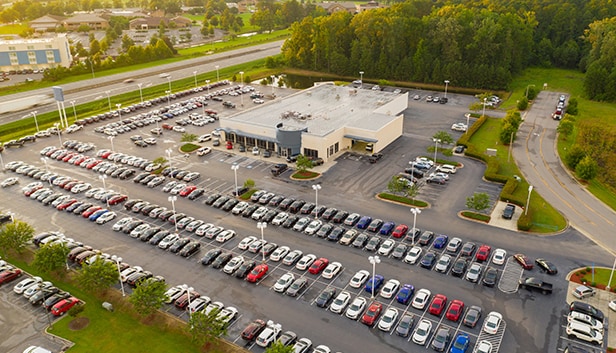
As the auto market evolves, franchise dealers tap bank expertise, technology to maximize profits and efficiency

How renewable diesel is a game changer for the U.S. soybean market

How to rethink treasury for a 24 x 7 x 365 world
Our industry expertise
We serve large corporations, mid-sized companies, governments, and not-for profits


Our services
We can tailor a comprehensive suite of services and solutions to help fit your situation, whether you're riding out seasonal sales fluctuations, expanding into overseas markets, or looking for ways to improve working capital performance.

Middle Market Banking
Whether you're expanding your business, managing financial risk, or looking to stay more competitive, our commercial bankers can provide options to help your business thrive.

Commercial Financing
Our experienced team can help you access the financing to support your business and your ever-changing goals.

Treasury Management
Conduct business differently and more easily through technology, with solutions that offer payment and receivables optimization, fraud protection, liquidity management, and more.
Our commitment

Learn how Chef Merito cooked up multimillion-dollar success

Betting on burgers: How a mother and her daughters built a McDonald’s franchise empire
Commercial Banking products and services are provided by Wells Fargo Bank, N.A. Wells Fargo Bank, N.A. is a bank affiliate of Wells Fargo & Company. Wells Fargo Bank, N.A. is not liable or responsible for obligations of its affiliates.
Wells Fargo Bank, N.A. Member FDIC. Deposits held in non-U.S. branches are not FDIC insured.
PAR-0623-00409
LRC-0723
